
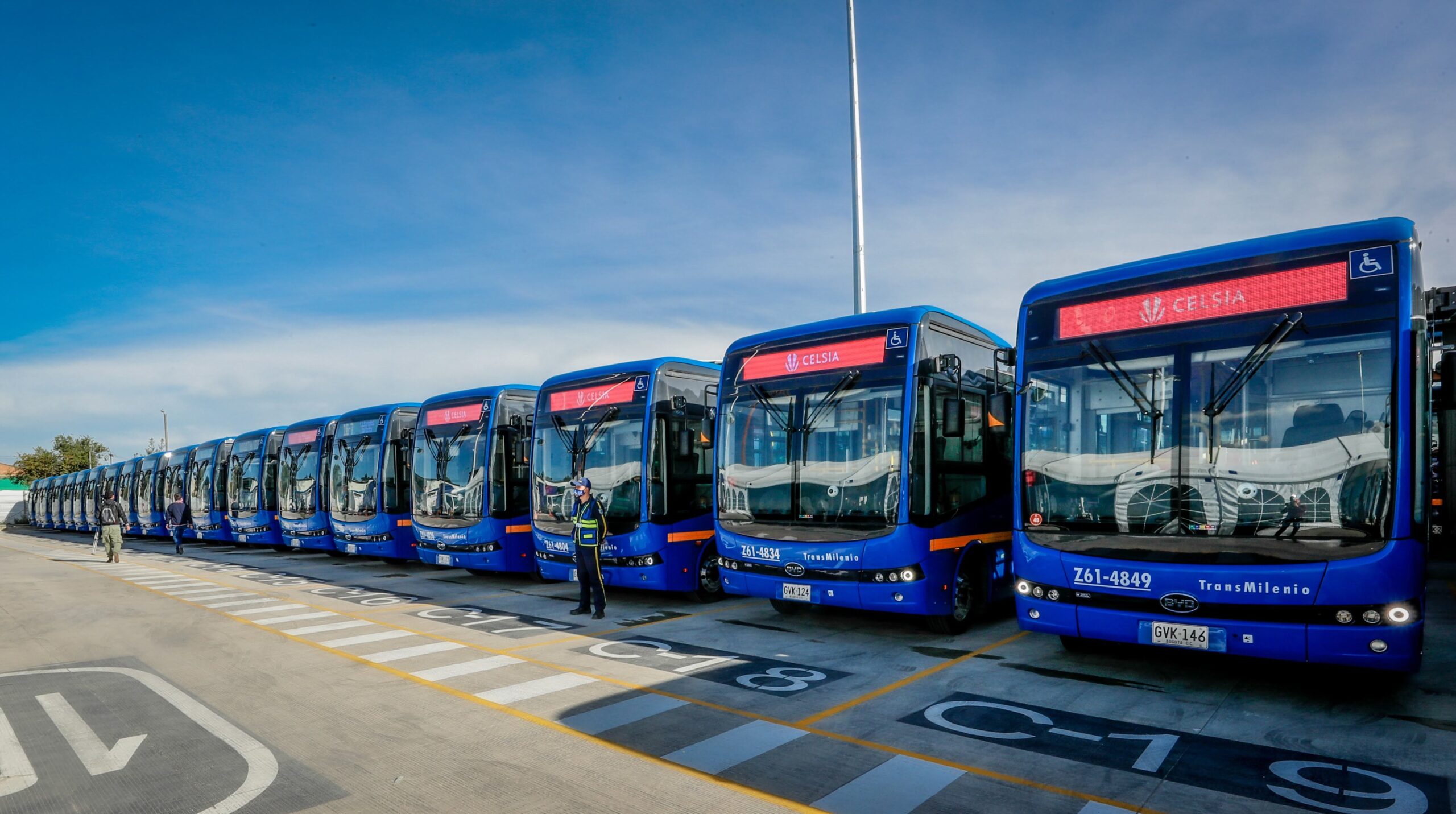
PITTSBURGH, PA. — Pittsburgh Regional Transit officials announced a major expansion of the agency’s electric bus fleet, outlining plans to add dozens of zero-emission vehicles over the next three years as part of a broader modernization effort.The initiative includes the purchase of new battery-electric buses, installation of additional charging infrastructure at transit garages, and upgrades to maintenance facilities to support the transition from diesel-powered vehicles.
Agency leaders said the move is intended to reduce long-term operating costs while lowering emissions across the region’s public transportation network.According to transit officials, the first wave of new electric buses is expected to enter service on high-ridership routes serving downtown Pittsburgh and surrounding neighborhoods. Additional deployments will follow in phases, with priority given to corridors that experience frequent service and dense passenger traffic.Funding for the expansion will come from a combination of federal transportation grants, state allocations, and local matching funds.
Transit administrators indicated that securing outside funding was essential to accelerating the transition while maintaining fare stability for riders.Environmental advocates welcomed the announcement, noting that transportation remains a significant source of greenhouse gas emissions in Allegheny County. They said electrifying bus fleets can contribute to improved air quality, particularly in communities located near major roadways and transit hubs.Union representatives for transit workers expressed support for the modernization plan while emphasizing the need for comprehensive training programs.
Agency officials confirmed that mechanics and operators will receive specialized instruction to safely manage high-voltage systems and new vehicle technologies.Riders attending the public briefing asked about reliability and charging times. Transit engineers explained that advances in battery capacity allow many routes to be completed on a single charge, with overnight depot charging scheduled to minimize service disruptions.The agency also plans to evaluate route performance data during the rollout to determine where additional electric buses can be integrated efficiently.
Officials stated that long-term goals include a gradual transition toward a predominantly zero-emission fleet.Construction on expanded charging infrastructure is expected to begin later this year, with the first new vehicles arriving shortly thereafter. Transit leaders described the program as a significant investment in sustainable mobility and regional infrastructure.
The Pittsburgh Times
editorial@thepittburghtimes.com
Pittsburgh, PA



Be First to Comment